
If a tree has become overgrown, damaged or potentially unsafe, you may be wondering whether you can deal with it yourself or whether you should hire a tree surgeon. Minor gardening work may be manageable from ground level, but tree work involving chainsaws, heavy branches, climbing or working at height can be extremely dangerous. A professional tree surgeon has the training, equipment and experience to assess the tree, recommend appropriate work and complete it safely.
You should generally hire a tree surgeon when work involves a large tree, unstable or damaged branches, climbing, specialist equipment or a risk to people and property. Professional advice can also prevent unnecessary pruning or removal that could permanently damage an otherwise healthy tree.
What does a tree surgeon do?
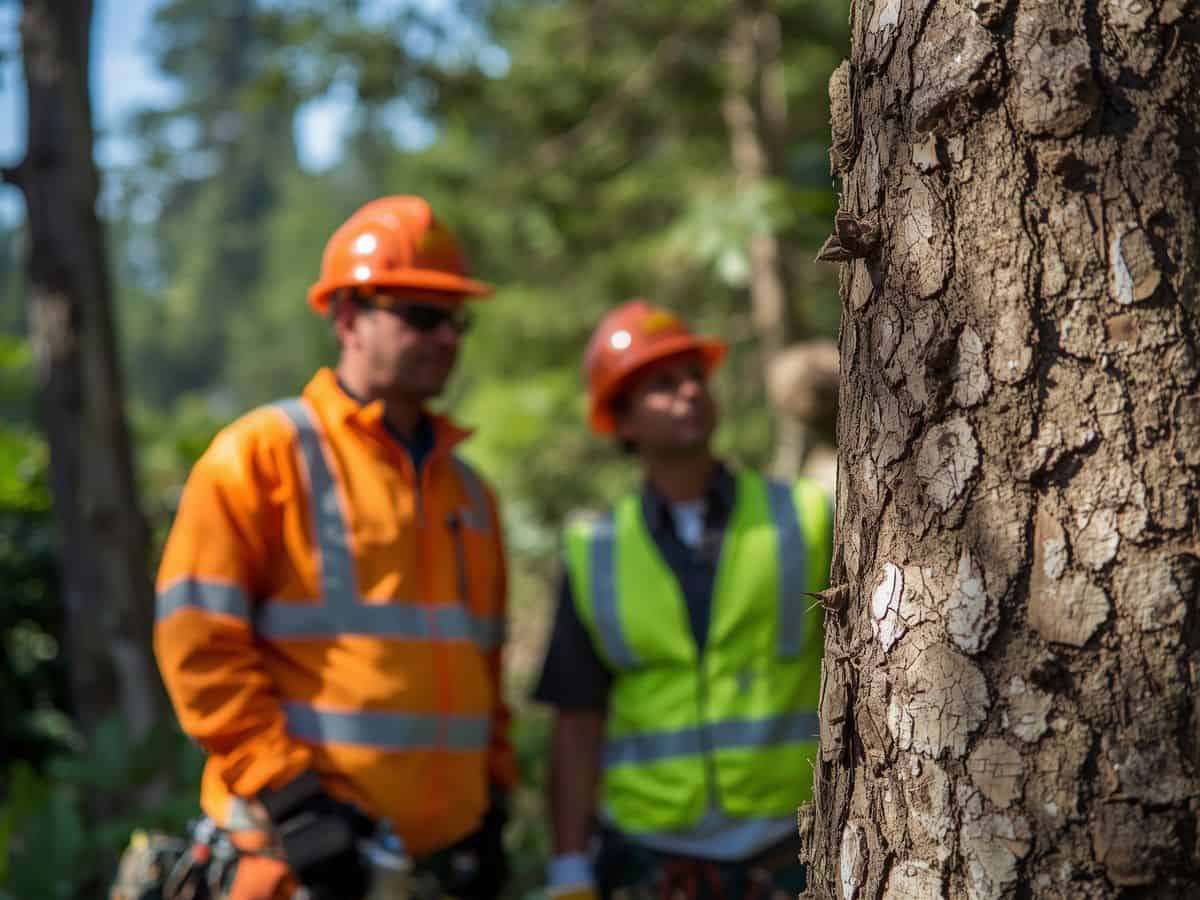
A tree surgeon, also known as an arborist, is trained to inspect, maintain and safely work on trees.
Depending on the tree and its surroundings, tree surgery may include:
- Tree inspections and professional advice
- Crown reduction, lifting or thinning
- Removal of dead, damaged or unsafe branches
- Management of trees growing close to buildings
- Tree removal and dismantling
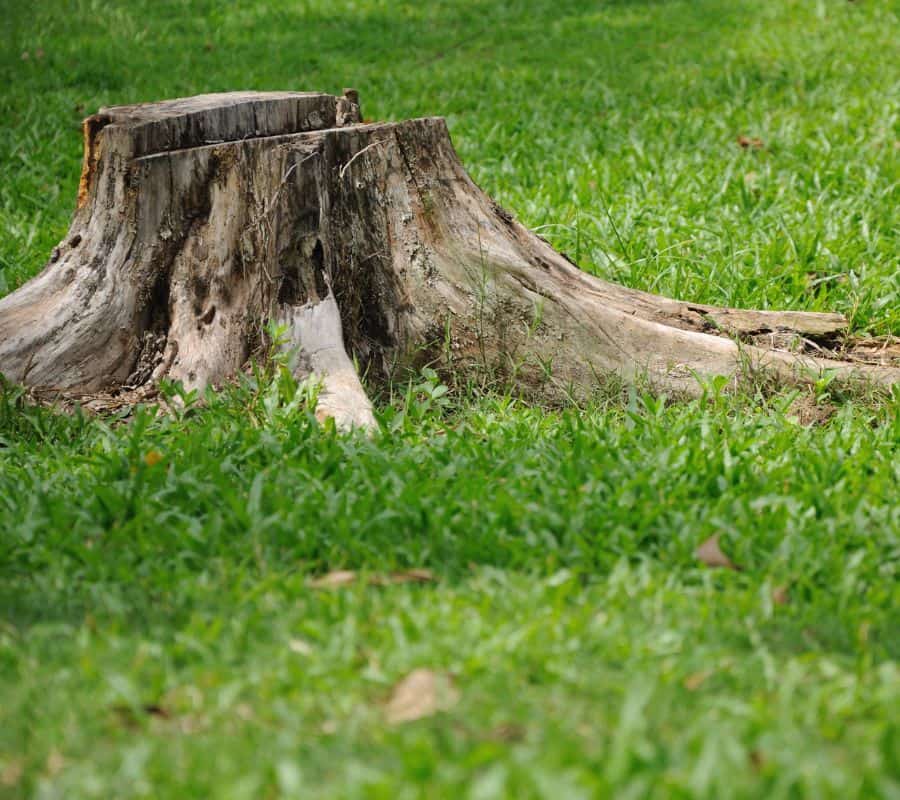
- Stump grinding and removal
- Emergency and storm-damage work
- Management of trees affected by pests, disease or decay
A good tree surgeon will not automatically recommend cutting down a tree. They should first consider its health, structure, location and potential risk before explaining the available options.
When a tree has dead or damaged branches
Dead branches can sometimes remain in a tree for a long time, but they may eventually fall without warning. The potential risk depends on their size and position, particularly when they overhang a house, driveway, road, footpath or frequently used part of a garden. A tree surgeon can assess the deadwood and determine whether it should be removed, shortened or retained safely as habitat.
The tree has been affected by a storm
Strong winds and heavy rain can cause branches to split, weaken unions or destabilise an entire tree. Some damage is obvious, while cracks and structural weaknesses can be difficult to see from the ground.Keep people and vehicles away from a damaged tree and arrange a professional assessment. Do not attempt to pull down hanging branches yourself.
The tree is growing too close to a property
Branches may begin to touch roofs, obstruct windows, interfere with access or extend over neighbouring land. However, cutting branches back indiscriminately can leave the tree unbalanced or encourage weak regrowth. A tree surgeon can recommend an appropriate form of crown management while considering the tree’s species, age and natural shape.
You are concerned about the tree’s health
Possible signs of poor health or structural weakness include:
- An unusually thin or declining canopy
- Dead or dying branches
- Cracks in the trunk or major limbs
- Fungal growth around the trunk or roots
- Cavities or areas of decay
- Changes in the soil or roots around the tree
- Sudden leaning or movement
Not every cavity, fungus or leaning tree is immediately dangerous. A professional inspection is the best way to understand what is happening and whether action is required.
The work requires climbing or a chainsaw
The Health and Safety Executive states that tree work should be undertaken by competent, adequately trained people and that work involving tree climbing or working at height should be completed by a specialist contractor.
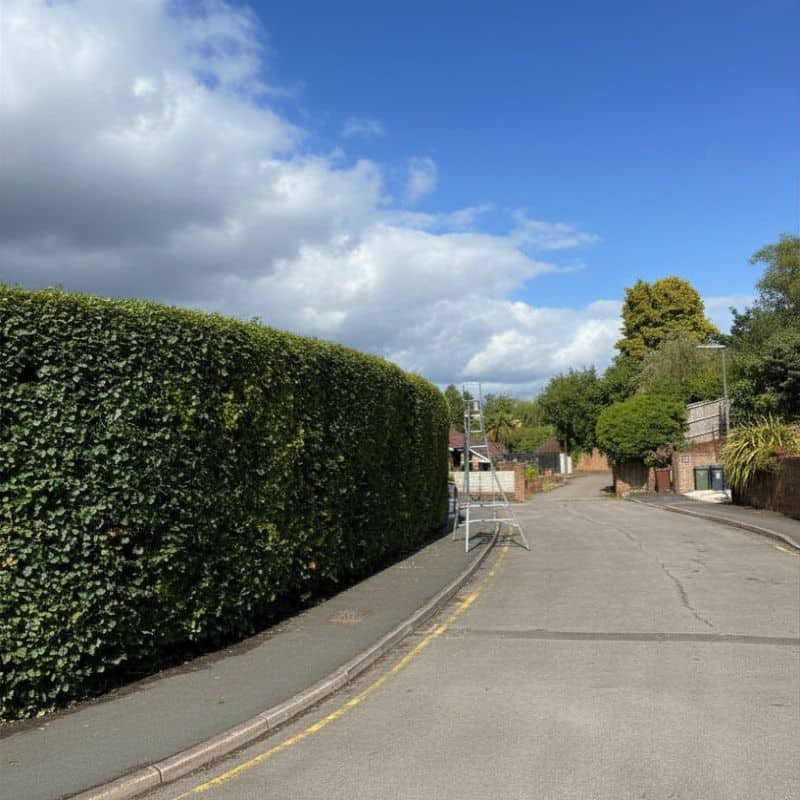
A chainsaw should never be used from a ladder. Professional tree surgeons use appropriate climbing systems, protective equipment, lowering equipment and safe working procedures to control branches as they are removed. Read the HSE’s tree-work guidance.
The tree may need to be removed
Tree removal is usually considered when a tree is dead, seriously compromised, causing an unacceptable risk or unsuitable for its location. Large or awkwardly positioned trees may need to be dismantled in sections, with branches and timber carefully lowered to avoid damaging buildings, fences, gardens or nearby trees. This is specialist work and should not be attempted without appropriate training and equipment.
Can I prune a tree myself?
Small branches may sometimes be pruned safely from ground level using suitable hand tools. However, you should seek professional help if:
- You cannot reach the branch without climbing
- The work requires a ladder or chainsaw
- Branches are large or under tension
- The tree is close to a road, building or power line
- You are unsure what should be removed
- The tree may be protected
- There could be active bird nests or other protected wildlife
Incorrect pruning can create large wounds, introduce decay, remove too much of the canopy or encourage poorly attached regrowth. Tree work should have a clear purpose rather than simply removing branches because the tree appears too large.
Do I need permission before arranging tree work?
Some trees are protected by a Tree Preservation Order, and additional controls apply to trees within conservation areas. Consent or prior notification may be required before pruning or removing them. Restrictions may also arise from planning conditions, felling-licence requirements or protected wildlife. Active wild-bird nests, their eggs and young are protected by law, regardless of the time of year.
A responsible tree surgeon should discuss these considerations and help establish whether permission is required before work begins. The Arboricultural Association also advises tree owners to check for legal protection before undertaking tree work. See its tree-work guidance.
How do I find reputable local tree surgeons near me?
If you search online for “local tree surgeons near me” or “tree care near me,” you are likely to find numerous businesses serving your area. Price matters, but it should not be the only factor in your decision. Before appointing a tree surgeon, ask about:
- Relevant training and chainsaw qualifications
- Public liability and employers’ liability insurance
- Experience with the type of work required
- How they will protect your property during the work
- Whether branches, timber and woodchip will be removed
- Permission, conservation and wildlife considerations
- A written quotation describing the proposed work
Be cautious if someone recommends removing a healthy tree without explaining why, uses vague descriptions such as “lop the tree,” or offers to complete dangerous work immediately without properly assessing the site. The Arboricultural Association provides further advice on choosing a tree surgeon.
What is the difference between tree surgery and forestry services?
Tree surgery generally focuses on individual trees in gardens, commercial grounds and built-up environments. Forestry work usually involves the wider management of woodland, groups of trees or larger rural sites.
- Woodland or estate management
- Selective tree felling
- Site clearance
- Management of storm-damaged woodland
- Tree and vegetation management across a larger site
- Processing or removal of larger volumes of timber
Some contractors offer both tree surgery and forestry services, but the equipment, access requirements and scale of the work can differ. When making an enquiry, explain whether the site is a domestic garden, commercial property, estate or area of woodland.
Is hiring a tree surgeon worth it?
Hiring a tree surgeon is worthwhile whenever the work could affect your safety, property or the long-term health of the tree. Professional tree care is not simply about cutting branches. It involves understanding tree biology, recognising structural problems, selecting the right form of work and completing it without creating unnecessary risks.
An honest tree surgeon may also tell you that a tree does not need immediate work. A considered assessment can provide reassurance, prevent unnecessary intervention and help you plan maintenance at the most suitable time.
Professional tree care from Native Forest
Native Forest is a family-run tree surgery company with more than 20 years’ experience. We provide professional tree care, complex tree removal, stump grinding and forestry services across Surrey, Hampshire and West Sussex. Every recommendation is based on the tree’s condition, species, surroundings and the work it genuinely needs. Whether you are concerned about a damaged branch, an overgrown tree or a larger woodland site, our team can assess the situation and explain the appropriate options. Looking for professional tree care near you? Contact Native Forest to arrange an assessment or request a quotation.
How much does it cost to hire a tree surgeon?
The cost depends on the tree’s size, condition and location, the complexity of the work, access to the site and how waste will be handled. A site assessment is usually needed before an accurate written quotation can be provided.
Should I hire a tree surgeon to remove a tree?
Yes, particularly when the tree is large, close to property or must be dismantled in sections. Tree removal involving chainsaws, climbing or heavy timber should be completed by trained professionals.
What time of year should trees be pruned?
The appropriate timing depends on the tree species, its condition and the purpose of the work. Some trees are best pruned during dormancy, while certain species may benefit from work at other times. Wildlife and nesting birds must also be considered.
Will a tree surgeon check whether a tree is protected?
A responsible tree surgeon should raise the issue of Tree Preservation Orders and conservation areas. The legal responsibility ultimately rests with the tree owner, so permission should be confirmed before work begins.
Do tree surgeons remove all the waste?
Most tree surgeons can remove branches, timber and woodchip, although arrangements differ. The quotation should clearly state what will be removed and whether any logs or woodchip will be left for the customer.