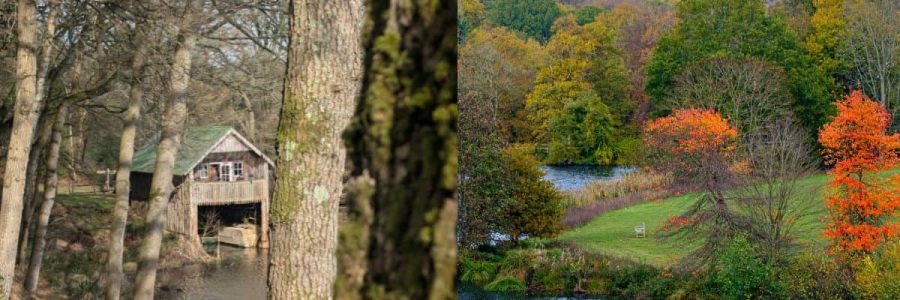

Surrey is known for its green spaces, mature gardens and tree-lined landscapes. From large countryside plots to established residential areas, trees are a defining part of the environment here. They bring privacy, character and a real sense of place.
But with that comes responsibility. Many of the trees found across Surrey have been growing for decades, sometimes much longer. What once suited a space perfectly can, over time, become too large, too close to buildings, or begin to decline in health.
Understanding the types of trees common in Surrey, and how they behave as they mature, is key to knowing when simple maintenance is enough and when more significant work, including removal, may be needed.
The types of trees you’ll often find in Surrey
Across Surrey, there’s a mix of native woodland species and ornamental garden trees, many of which thrive in the local soil and climate.
Oak and beech are two of the most prominent. These are long-lived, substantial trees that can grow to an impressive scale. In the right setting, they’re a real asset, but in smaller gardens or close to buildings, they can eventually outgrow their space.
Silver birch is another common sight, often chosen for its lighter canopy and more delicate appearance. While generally easier to manage, it can still create issues with proximity and light as it matures.
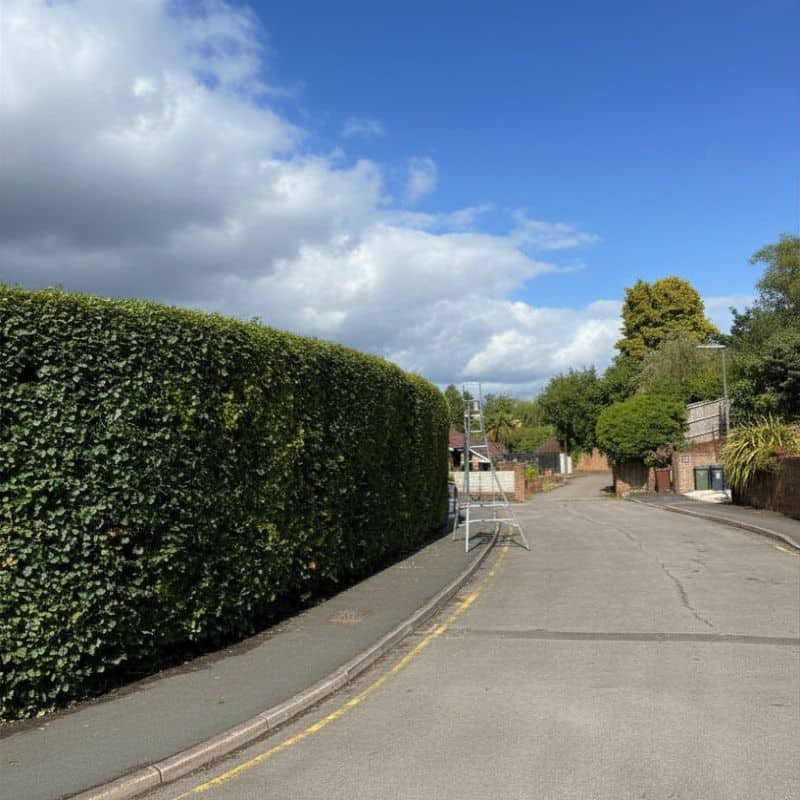
Conifers, particularly in older hedging or boundary planting, are also widespread. Left unmanaged, they can quickly become dominant, blocking light and creating dense, high screens that are difficult to reduce without significant work.
Each of these trees has its place, but all require some level of ongoing care to remain safe and appropriate for their surroundings.
Why tree issues are so common in Surrey
Surrey’s landscape plays a big role in why tree-related problems come up so often.
Many properties sit within well-established areas where trees were planted decades ago, long before extensions, outbuildings or modern landscaping. What was once open space is now shared with structures, driveways and neighbouring properties.
Soil conditions also matter. Parts of Surrey have clay-heavy ground, which can influence how trees grow and how roots behave, particularly during periods of drought or heavy rain.
Then there’s simple scale. Mature trees are a huge benefit, but they also carry weight, both literally and structurally. As they grow, the balance between tree and environment can shift, sometimes quite quickly.
When maintenance is enough
In many cases, trees don’t need to be removed at all. Thoughtful pruning, crown reduction or selective thinning can often resolve issues like:
- Excessive shading
- Overhanging branches
- Minor structural imbalance
- General shaping and containment
Good tree care is about managing growth, not immediately removing it. A well-maintained tree can continue to enhance a property for many years without causing problems.
When tree removal becomes necessary
There are situations, however, where removal is the most sensible and responsible option.
This might be due to:
- Disease or decay affecting the structural integrity of the tree
- Significant storm damage or instability
- Trees growing too close to buildings or infrastructure
- Previous poor pruning that has compromised long-term health
- Ongoing issues that cannot be resolved through maintenance alone
In these cases, tree removal in Surrey is not about taking down healthy trees unnecessarily, but about managing risk and making sure the surrounding space remains safe and usable.
The key is making that decision carefully, with a full understanding of the tree and its condition.
Taking a responsible approach
Tree removal should never be the default. It’s always worth considering whether a tree can be retained and managed instead.
Where removal is required, it should be carried out safely, with consideration for the surrounding environment, neighbouring properties and any legal protections that may apply, such as Tree Preservation Orders or Conservation Area restrictions.
This is where professional guidance becomes essential. What looks straightforward from the ground can involve far more complexity when assessed properly.
How Native Forest approaches tree work in Surrey
Native Forest takes a considered, balanced approach to tree care.
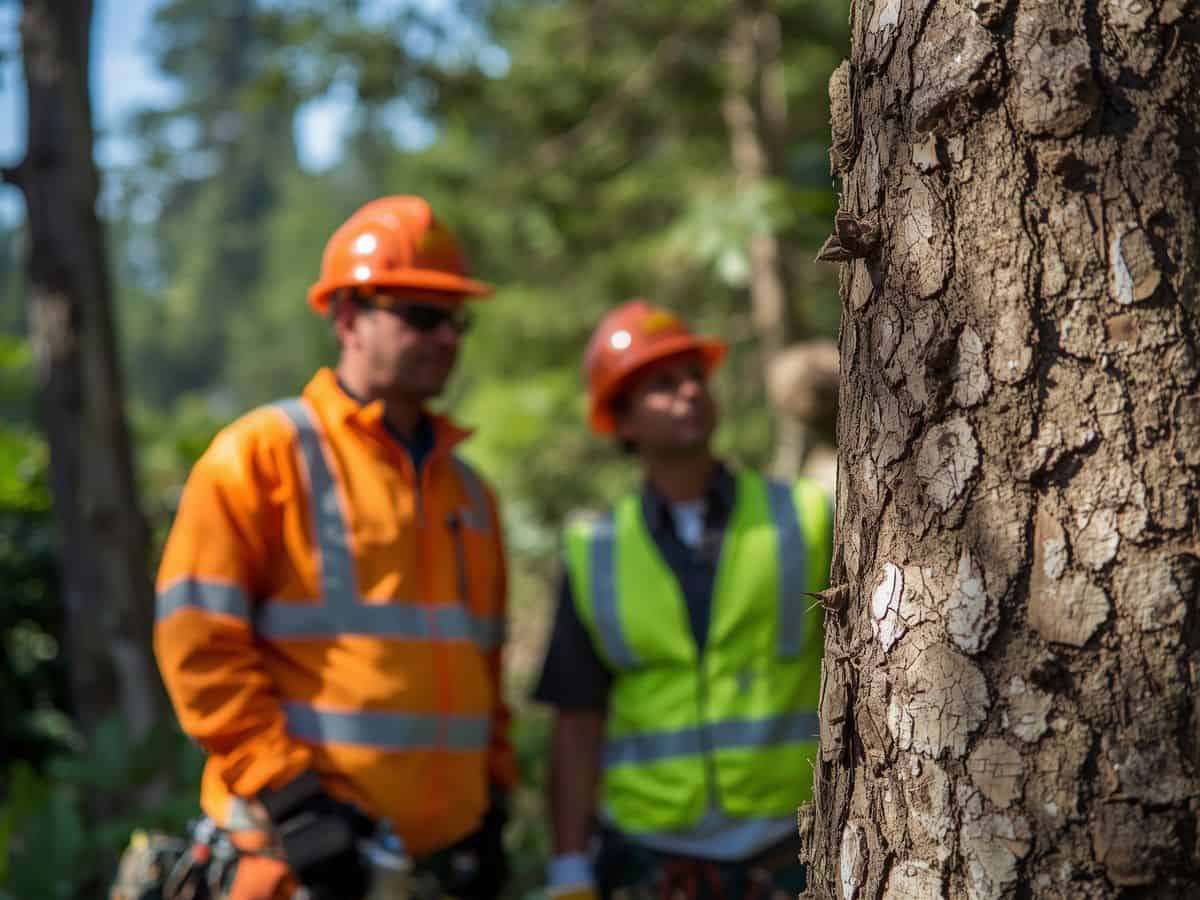
Every job starts with an assessment. We look at the tree itself, its condition, its surroundings and what you’re trying to achieve. In many cases, careful pruning is all that’s needed. Where removal is the right option, we carry it out safely and with minimal disruption.
We also advise on permissions where required and aim to keep the process straightforward and transparent from the outset.
Our focus is always the same. Protect what can be preserved, and manage what can’t in a way that’s safe, practical and respectful to the environment.
A few useful things to keep in mind
• Most tree issues can be managed without removal
• Mature trees need more careful consideration, not less
• Location matters just as much as the type of tree
• Early advice can prevent more serious problems later
• Removal should always be a considered decision, not a quick fix
Frequently asked questions
Are trees in Surrey protected?
Some are. Trees may be covered by Tree Preservation Orders or be within Conservation Areas, meaning permission is required before any work is carried out.
How do I know if a tree needs removing?
Signs include visible decay, instability, repeated damage, or issues that can’t be resolved through pruning. A professional assessment is the best way to be sure.
Is tree removal always the last option?
In most cases, yes. Good tree care focuses on management first, with removal only used when necessary.