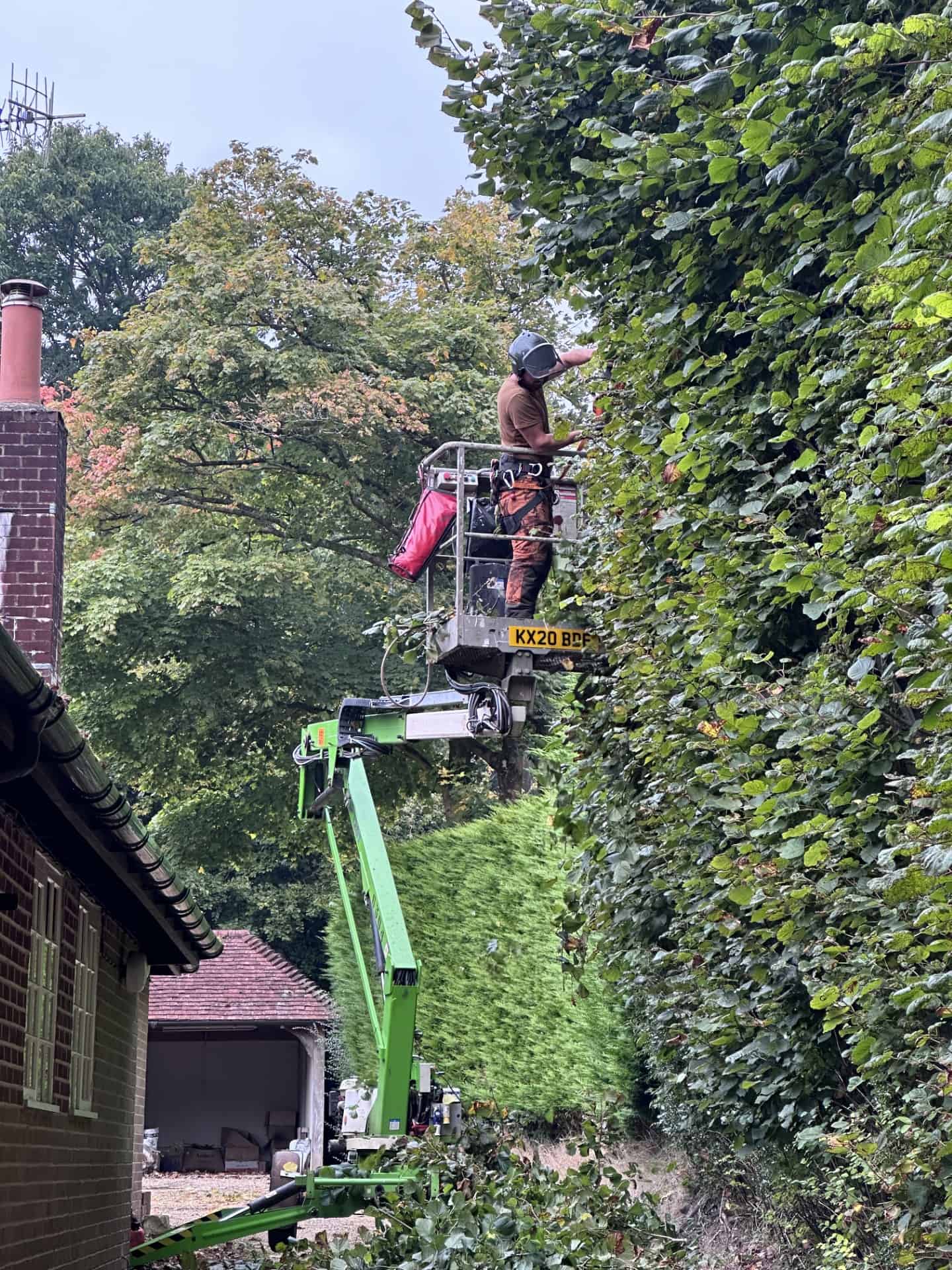

When hedges start to look overgrown, it is tempting to reach for the trimmer straight away. However, spring and early summer is also nesting season across the UK, and hedge cutting needs to be handled carefully and responsibly. We always approach hedge trimming with wildlife in mind. Here is what you need to know before any strimming or cutting takes place.
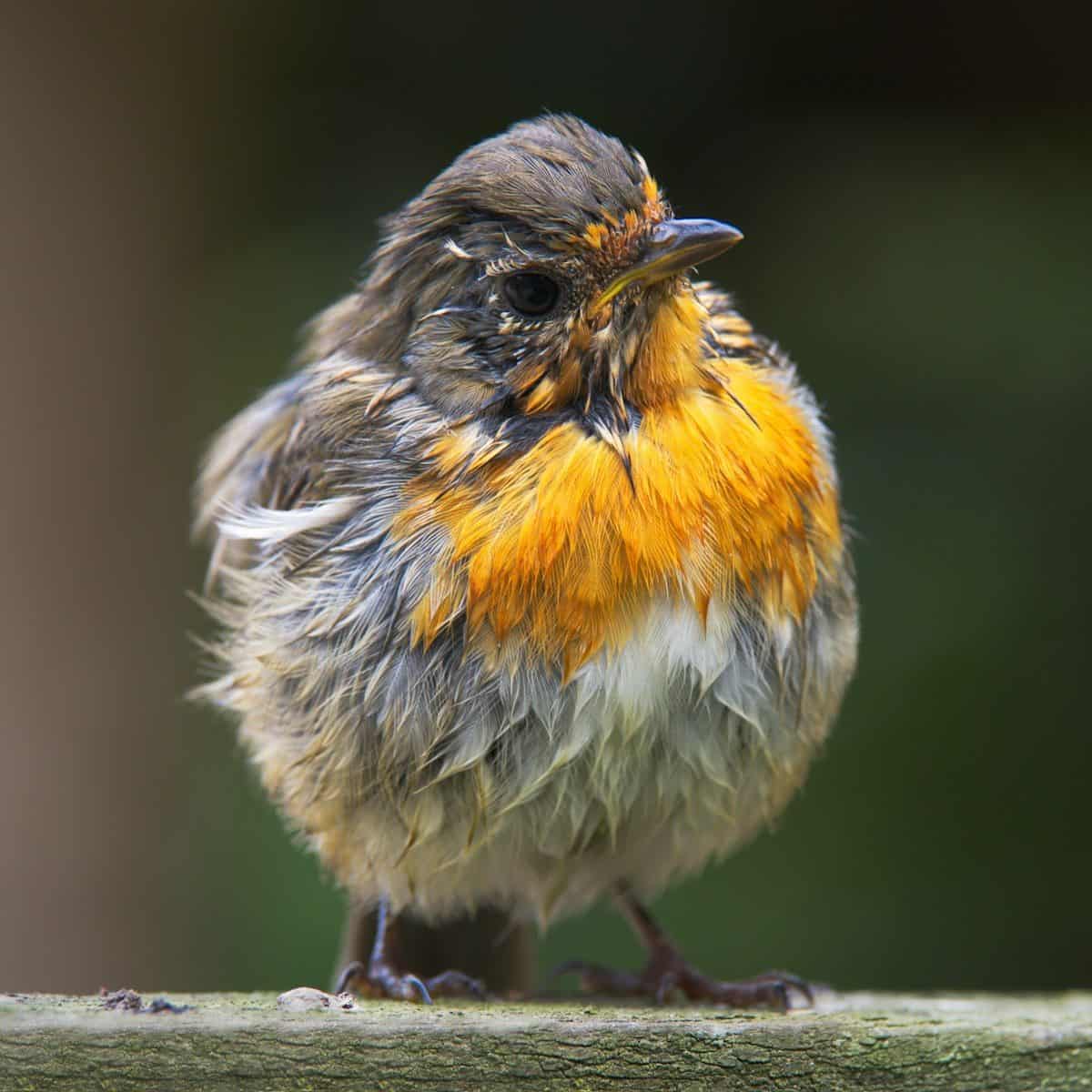
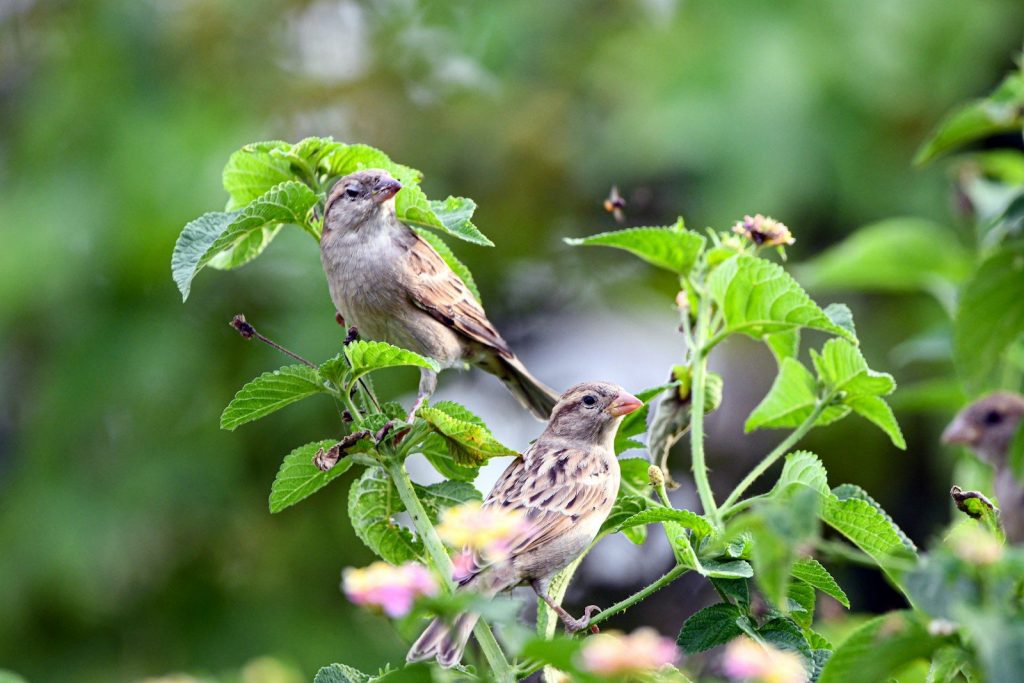
Between March and August, many birds build nests in hedges, shrubs and dense bushes. Species such as blackbirds, robins and wrens rely on thick boundary hedging for protection from predators and the elements.
Under the Wildlife and Countryside Act 1981, it is illegal to intentionally damage or destroy an active bird’s nest. This applies to residential gardens just as much as large estates or commercial sites.
That is why hedge trimming during this period requires professional assessment and care.
What we look for before trimming
Before any cutting begins, we:
Carry out a visual inspection
We thoroughly inspect the full length and depth of the hedge, not just the outer surface. Nests are often hidden deep inside dense growth.
Listen for activity
Bird movement, feeding calls and repeated flight patterns can indicate active nesting, even if the nest itself is not immediately visible.
Assess hedge density and species
Certain hedge types, such as hawthorn, leylandii and mixed native hedgerows, are more likely to host nests.
Check surrounding shrubs and bushes
It is not just the hedge line that matters. Adjacent shrubs, climbers and brambles may also contain nests and need to be inspected before any strimming equipment is used.
If an active nest is found, work must be postponed in that specific area until the young birds have fledged.
Responsible Hedge Maintenance During This Period
In some cases, light maintenance may still be possible, particularly if:
The hedge has already been regularly maintained and is not heavily overgrown.
Work is limited to a light trim of new growth.
No active nests are present
However, heavy reductions, reshaping or significant height reductions are generally best left until late summer or autumn.
A professional tree surgeon will advise on what is appropriate for your specific hedge and property.
Planning ahead makes all the difference
If your hedge requires substantial work, the ideal window is late autumn through to late winter, when nesting activity has finished.
By planning larger reductions outside nesting season, you:
-
- Avoid legal and ecological risk
-
- Reduce stress to local wildlife
-
- Achieve a cleaner, more controlled finish
Regular maintenance also prevents hedges from becoming unmanageable, which reduces the need for drastic cutting during sensitive periods.
Balancing garden care and wildlife protection
Hedges do far more than mark boundaries. They provide shelter, food and vital habitat for birds, insects and small mammals.
At Native Forest, our approach is simple: protect first, cut second. Every hedge trimming job begins with careful inspection and a commitment to responsible practice.
If you are unsure whether your hedge can be trimmed safely, it is always worth seeking professional advice before picking up the strimmer. Get in touch if you need any further advice or would like to get a quote.